- Your cart is empty
- Continue Shopping


Hair Treatment Products: A Complete Guide to Choosing the Right Treatment for Your Hair
-
 kerafinekf.com
 - Posted on
- 0 comments

One day, hair may be healthy and the next it may feel dry, rough, frizzy or hard to manager. Shampoos and conditioners are essential, but there are times when your hair requires more specific treatment. That’s where hair treatment products come in.
There are a wide range of options available in the market whether it be hair masks, hair serums, keratin treatment products, hair Botox treatment products, hair repair products, and professional hair treatments, etc. – How do you determine what your hair truly requires?
The answer isn’t simply finding the product labelled “best.”
The best hair treatment will depend on the condition of your hair, what your primary concern is, how you use your hair and the results you are seeking.
Here we will cover what is a hair treatment product, various types of hair treatments, how to select the right treatment for your dry and damaged hair or frizzy hair, what ingredients you should know about, how to use hair treatments properly when professional hair treatment products may be worth considering.
What Are Hair Treatment Products?
Hair treatment products are special formulations for the hair which are intended to treat a particular hair issue that is not related to normal cleaning and conditioning.
Besides using shampoo for the main process of cleansing hair and scalp, and conditioner for regular conditioning, a treatment is usually applied for more specific care.
Depending on the formulation, the hair treatment products can be formulated to aid with:
- Dry and rough-looking hair
- Frizz and flyaways
- Damaged-looking hair
- Hair that feels weak or brittle
- Lack of softness
- Difficult manageability
- Dull-looking hair
- Chemically treated hair
- Heat-styled hair
- Specific scalp concerns
There are numerous types of hair treatment products, such as:
- Hair masks
- Deep conditioning treatments
- Hair serums
- Hair oils
- Leave-in hair treatments
- Hair repair products
- Keratin treatment products
- Hair Botox products
- Hair smoothing products
- Scalp treatments
- Professional products for hair treatment.
What you need to know is that various treatments serve various functions. For example, A hair mask will have a different effect than a serum or professional keratin treatment.
Why Does Your Hair Need a Treatment?
In order to make the right choice from the many hair treatment products you have, it is beneficial to know why your hair might require extra treatment.
Hair is subjected to stress on a daily basis due to washing, brushing, heat, the environment, and for many, coloration and chemicals.
Over time, you may notice:
- Increased dryness
- Rough texture
- Frizz
- Tangling
- Dullness
- Split or dry-looking ends
- Difficulty styling
- Reduced manageability
- Breakage
This doesn’t necessarily mean you have to have a complex routine for your hair. It indicates that your typical routine may require more focused treatment.
What Is the Best Hair Treatment for Your Hair?
Customer looks for best hair treatment products that will also work for everyone.
However, there is no single product which is perfect hair treatment for all.
So the more interesting question is:
Which treatment is appropriate for my hair concern?
For example:
| Hair concern | Treatment products to consider |
| Dry hair | Hair masks, deep conditioning treatments, hair oils |
| Frizzy hair | Hair masks, smoothing products, hair serums |
| Damaged-looking hair | Hair repair products, conditioning treatments |
| Rough hair | Hair masks, leave-in treatments, serums |
| Chemically treated hair | Repair and conditioning-focused treatments |
| Heat-styled hair | Conditioning and protective treatments |
| Dull-looking hair | Conditioning treatments and serums |
| Difficult-to-manage hair | Smoothing and conditioning products |
| Scalp concerns | Scalp-specific treatments |
That is why it is more helpful to select a treatment specific to your hair concern rather than looking for a most popular treatment.
Hair Treatment Products for Damaged Hair
Hair may begin to feel rough, dry, difficult to manage if it has been treated with repeated colour, bleaching, heat styling or chemical treatments.
That’s when hair treatment products for damaged hair can be helpful to incorporate into a regular routine.
Look for products that are targeted towards conditioning, strengthening, or repair.
These can include:
- Hair repair treatments
- Conditioning masks
- Deep conditioning treatments
- Protein- or amino-acid-focused formulations
- Bond-focused treatments
- Leave-in treatments
- Hair serums
But, it is good to have realistic expectations.
Hair treatment products can help to enhance the look, texture and control of damaged hair, but no beauty product can fix badly damaged hair into healthy, well-maintained hair overnight.
What is a better way?
Treat the hair + reduce additional damage + maintain consistently.
Hair Treatment Products for Dry Hair
When hair is dry, it can be rough, dull and hard to tangle and style.
In case you’re searching for Hair Treatment Products for Dry Hair, pay attention to the products that provide conditioning and improve softness and manageability.
Some helpful features include:
Hair Masks
A hair mask is a product that can offer more intense conditioning than a normal conditioner, as it is moisturizing or conditioning.
Deep Conditioning Treatments
These can prove beneficial whenever normal conditioner is not sufficient enough to treat the hair.
Hair Oils
Appropriate oils will offer extra conditioning and enhance the texture of dry lengths.
Leave-In Treatments
These can be used to add further conditioning between washes.
A straightforward way to do this might be:
Shampoo → Conditioner → Hair Mask → Leave-In or Serum
Not all the steps are required all the time. The key is to find a routine that will condition your hair without leaving it heavy.
Hair Treatment Products for Frizzy Hair
Dryness, humidity and hair texture, damage and/or hair styling can all contribute to frizz. When shopping for anti-frizz hair treatments, avoid items that claim to “anti-frizz.”
These are a few suggestions for a good routine:
- Conditioning shampoo
- Conditioner
- Hair mask
- Leave-in treatment
- Hair serum
- Suitable heat protection
A hair mist also may be beneficial as a final touch as it can help enhance the look of surface smoothness and any flyaway hairs.
If your hair is prone to frizz, it’s important that you use the same product multiple times.
Types of Hair Treatment Products
Once you know the various kinds of treatments you can easily make the decision on what to add to your routine.
1. Hair Masks
Hair masks are one of the most popular hair treatment products. Generally, they are formulated to give heavier conditioning than a standard conditioner.
Hair masks can come in handy for hair that feels:
- Dry
- Rough
- Frizzy
- Dull
- Difficult to manage
A hair mask can be either moisturizing, nourishing, conditioning, smoothing or repair focused.
2. Deep Conditioning Treatment
A deep conditioning treatment offers more conditioning than one does on a regular basis.
It can help to enhance:
- Softness
- Manageability
- Smoothness
- Detangling
Deep conditioning is especially beneficial for dry or stressed out-looking hair Remember specific product instructions for time and frequency of application.
3. Hair Serum
Usually a hair serum is a leave-on finish and targeted to a specific area.
Hair serums can be used for the following purposes:
- Frizz
- Smoothness
- Shine
- Flyaways
- Dry-looking ends
- Manageability
A serum can be used in addition to a mask, not in place of it.
4. Hair Oil Treatment
Hair oils are typically used as hair conditioners and nourishers.
You may use a hair oil:
- Before shampooing
- On the lengths
- On the ends
It’s usually best to use just a little bit. Excessive use of oil can cause some hair types to feel heavy.
5. Leave-In Hair Treatment
Leave in hair treatment stays on the hair and does not rinse out. These products can be used to ensure continued conditioning and can be used to support:
- Detangling
- Frizz management
- Softness
- Smoothness
- Styling
They are especially useful for needing extra care without the added wash-off stage.
6. Hair Repair Products
Most of the hair repair products are intended to be used with hair that appears or feels “stressed” due to the style or chemical treatment.
They can be based on the formulation or the ingredients around:
- Conditioning
- Strengthening
- Bond support
- Protein care
- Amino-acid care
Look for the cause of the damage and what your hair is in need of when selecting a repair product.
Keratin Treatment Products: What You Should Know
Keratin treatment products are commonly known for the smoother appearance and easier manageability of hair.
However, there is a significant difference between a hair care product with keratin and professional keratin treatment.
A keratin shampoo, keratin conditioner or keratin mask may be used as a daily or monthly hair care treatment.
A professional keratin hair treatment is a specialized smoothing treatment which can use special ingredients and methods.
keratin hair treatment products are commonly associated with:
- Smoothness
- Frizz reduction
- Easier styling
- Improved manageability
- A smoother-looking finish
When using a professional treatment, always read the manufacturer’s instructions and use professional application if necessary.
Hair Botox Products: Are They Different From Keratin Treatments?
Yes.
Although they have the same name, hair botox treatment is a different category product which is used for different purpose than keratin treatment.
Typically, the advantages that are marketed for Hair Botox products includes:
- Conditioning
- Softness
- Smoothness
- Shine
- Manageability
- Frizz control
Both the formula and treatment procedure may differ from brand to brand. When using any product, always check the product’s:
- Ingredients
- Instructions
- Processing time
- Application method
- Recommended aftercare
Hair Smoothing Products: When Should You Consider Them?
If the main problem is something like hair frizz or hair being rough, it’s a good idea to use hair smoothing products.
They can include:
- Smoothing masks
- Serums
- Leave-in products
- Professional smoothing systems
- Keratin-based products
For everyday care, a smoothing serum or mask may be enough.
Depending on the type of smoothing you want and the condition of your hair, professional treatments might be necessary for a more intensive smoothing service.
Key Ingredients to Look for in Hair Treatment Products
Knowing what ingredients are in hair treatment products can aid in choosing the right one. However, don’t select a product simply because it contains one popular ingredient. The entire formula is important.
- Keratin and Hydrolyzed Proteins: Usually used in hair care products for conditioning and strengthening.
- Amino Acids: Often used in hair fibre conditioners and for enhancing the feel of the fibre.
- Panthenol: A commonly used conditioning ingredient in hair-care products.
- Argan Oil: Used commonly in hair care and body care products.
- Ceramides: It is used widely in products for conditioning to make the hair smooth and manageable.
- Hyaluronic Acid: Commonly added to hair care products that contain water.
- Botanical Oils: Ingredients such as argan, coconut and jojoba oils are commonly used to provide conditioning and emollient benefits.
The most important question here isn’t:
“Does this product contain a trending ingredient?”
It is:
“Does the complete formulation make sense for my hair concern?”
How to Choose Hair Treatment Products
When you’re feeling overwhelmed with the choices before you, follow these 5 simple steps.
1. The first step is to identify your primary concern
Select your main worry:
- Dryness
- Frizz
- Damage
- Roughness
- Dullness
- Manageability
- Chemical treatment aftercare
2. Take a look at Your Hair History
Consider the following if your hair has been:
- Coloured
- Bleached
- Straightened
- Chemically treated
- Heat styled frequently
Your hair history can influence the kind of cures you select.
3. Choose the Product Format
Consider if you need:
- Mask
- Conditioner
- Serum
- Oil
- Leave-in treatment
- Repair treatment
- Professional treatment
4. Read the Instructions
Look at:
- Application area
- Quantity
- Processing time
- Rinsing requirements
- Frequency
- Precautions
5. Build a Consistent Routine
Don’t completely change your schedule each week.
Try out your selected products several times to see if they work well for you.
How to Use Hair Treatment Products Correctly
Even good hair treatment products may not perform as intended when they’re used incorrectly.
Follow the general steps below:
1. Cleanse: Use a suitable shampoo to wash your hair.
2. Remove Excess Water: For wash-off treatments, gently remove excess water before application.
3. Apply the Treatment: Follow application guidelines provided by the manufacturers. There may be some products that are made for the lengths and ends, or some may be aimed towards the scalp.
4. Follow the Recommended Processing Time: Don’t automatically leave a treatment on longer than instructed.
5. Rinse If Required: If the treatment is a rinse-off, be sure to thoroughly wash it out.
How Often Should You Use Hair Treatment?
There is no definitive answer to ‘how often should you use hair treatment?‘.
It depends on:
- Type of treatment
- Your hair condition
- Your hair texture
- Chemical processing
- Styling habits
- Product instructions
A leave in serum can be used regularly, whereas an intensive hair mask can be used periodically.
The best way to be safe is to simple:
Just use the manufacturer’s recommended frequency. Doing more or using more often does not equal better.
Hair Treatment vs Conditioner: What’s the Difference?
Knowing the difference between a hair treatment and conditioner will make your hair care routine a lot easier.
- Shampoo: Primarily cleanses.
- Conditioner: Provides routine conditioning and helps improve softness and manageability.
- Hair Treatment: Delivers more focused care centered around a specific concern.
- Serum or Leave-In Treatment: Use serum or leave-in treatment.
Offers extra leave-in conditioning, smoothing and finishing treatments.
A simple routine could then be:
The treatment consists of washing, conditioning, and treating the hair before finishing it up.
But you’re not always going to need all of them all of the time.
At-Home Hair Treatments vs Professional Hair Treatment Products
Not all hair treatments are the same.
1. At-Home Hair Treatments: These can be a part of your daily routines.
Examples include:
- Hair masks
- Hair serums
- Hair oils
- Leave-in treatments
- Deep conditioners
- Repair products
Professional Hair Treatments: Shampoos and hair treatments used by professionals can include specialty formulas and application methods.
Examples include:
- Professional keratin treatments
- Hair Botox services
- Smoothing treatments
- Professional repair treatments
- Hair spa treatments
Professional treatments may be helpful when you wish for a more intensive service, and/or if you need to evaluate your hair prior to any treatment. When a chemical process or specialized application is involved in a treatment, follow the manufacturer’s and professional recommendations closely.
Common Hair Treatment Mistakes to Avoid
1. Using Too Many Products
- You don’t have to get 5 treatments simultaneously.
- Begin with a single objective.
2. Choosing a Product Because It’s Trending
- The popularity of something does not mean that is is suitable.
- Select according to your hair concern.
3. Applying Every Treatment to Your Scalp
- There are numerous masks, conditioners and smoothing products that are made specifically for the hair lengths.
- Follow the label instructions.
4. Expecting Instant Repair
- Hair care is a process.
- Maintenance and minimising further damage is important.
5. Ignoring Heat and Chemical Damage
If your style is continuing to put your hair under stress, a second treatment may not be effective in combating the cause of the problem.
Using a Product More Frequently Than Recommended
More isn’t necessarily better.
Follow the manufacturer’s directions.
How to Build a Simple Hair Treatment Routine
There’s no need to have a complicated range of products.
1. For Normal Care
Shampoo → Conditioner → Serum
2. For Dry Hair
Shampoo → Conditioner → Hair Mask → Serum
3. For Frizzy Hair
Shampoo → Conditioner → Hair Mask → Leave-In → Serum
4. For Damaged-Looking Hair
Shampoo → Conditioner → Repair Treatment → Leave-In
5. For Chemically Treated Hair
Suitable Shampoo → Conditioner → Targeted Treatment → Leave-In/Serum
The specific treatment should be determined based on the length of your hair and the directions for the product.
How to Know If Your Hair Treatment Routine Is Working
Don’t be misled by the appearance of your hair right after the first application.
Rather, focus in the long term on:
- Softness
- Smoothness
- Manageability
- Detangling
- Frizz
- Shine
- Styling ease
Also notice if your hair starts feeling:
- Heavy
- Greasy
- Coated
- Stiff
- Difficult to style
If so, your routine might be too heavy on conditioning or product for your hair.
When Should You Consider Professional Help?
Hair treatment products that can be used at home can be very good for routine care, but we have times that require professional or medical advice.
If you have any of the following please consult an appropriate professional:
- Persistent scalp symptoms
- Any sudden or significant hair loss must be discussed with a doctor.
- Severe breakage
- Major chemical damage
- Concerns after a chemical service
- Questions on Professional Smoothing or Chemical treatments
Products for cosmetic hair treatment should not be used as a substitute for medical evaluation if there is a possibility that it is related to an underlying health issue.
Frequently Asked Questions About Hair Treatment Products
1. What are the hair treatment products?
Hair care products are made to deal with certain issues like damage, frizz, manageability, scalp care, dryness, and roughness.
2. What are the best hair treatment products?
The very best hair treatment products will rely on your hair concern. Dry hair products will work best for dry hair, and not necessarily for chemically treated or frizzy hair.
3. What is the best hair treatment for damaged hair?
However, the appropriate hair care for damaged hair varies according to the magnitude and nature of the damage. Products for conditioning, repair and protection can be a regular practice.
4. What are the best hair treatment products for dry hair?
If you have dry hair, use a hair treatment product that is designed to help moisturize dry hair, like masks, deep conditioners, appropriate oils and leave-in products.
5. What are the best hair treatment products for frizzy hair?
There are various types of hair treatment products for frizzy hair such as conditioner masks, leave-in treatments, smoothing products and serums.
6. Are keratin treatment products the same as hair Botox products?
While both Keratin treatment products and hair Botox products might result in smoother, softer, and more manageable-looking hair, they are different types of treatments.
7. Can hair treatment products repair damaged hair?
They can aid to aid the look, feel and manage of damaged hair. But where there is existing damage, however, it cannot always be reversed.
8. How often do you need to use hair treatment?
The frequency will vary according to the treatment, the formulation as well as the needs of your hair. Follow manufacturer’s recommended usage.
9. Can I use a hair mask and hair serum together?
Yes, if both products work well with your hair and their instructions say to do so. Usually a mask is a rinse-off product and a serum is a leave-on product.
10. What is the difference between hair treatment and conditioner?
A hair treatment is typically a more targeted hair care product, targeted towards a certain hair issue, while conditioner is usually utilized for regular care after shampooing.
Choose the Hair Treatment Your Hair Actually Needs
If you have dry hair, dry hair products are a good place to begin; if your hair is frizzy, frizzy hair products are a good choice; if your hair looks damaged, or was chemically treated, start with the damaged hair or chemically treated hair products.
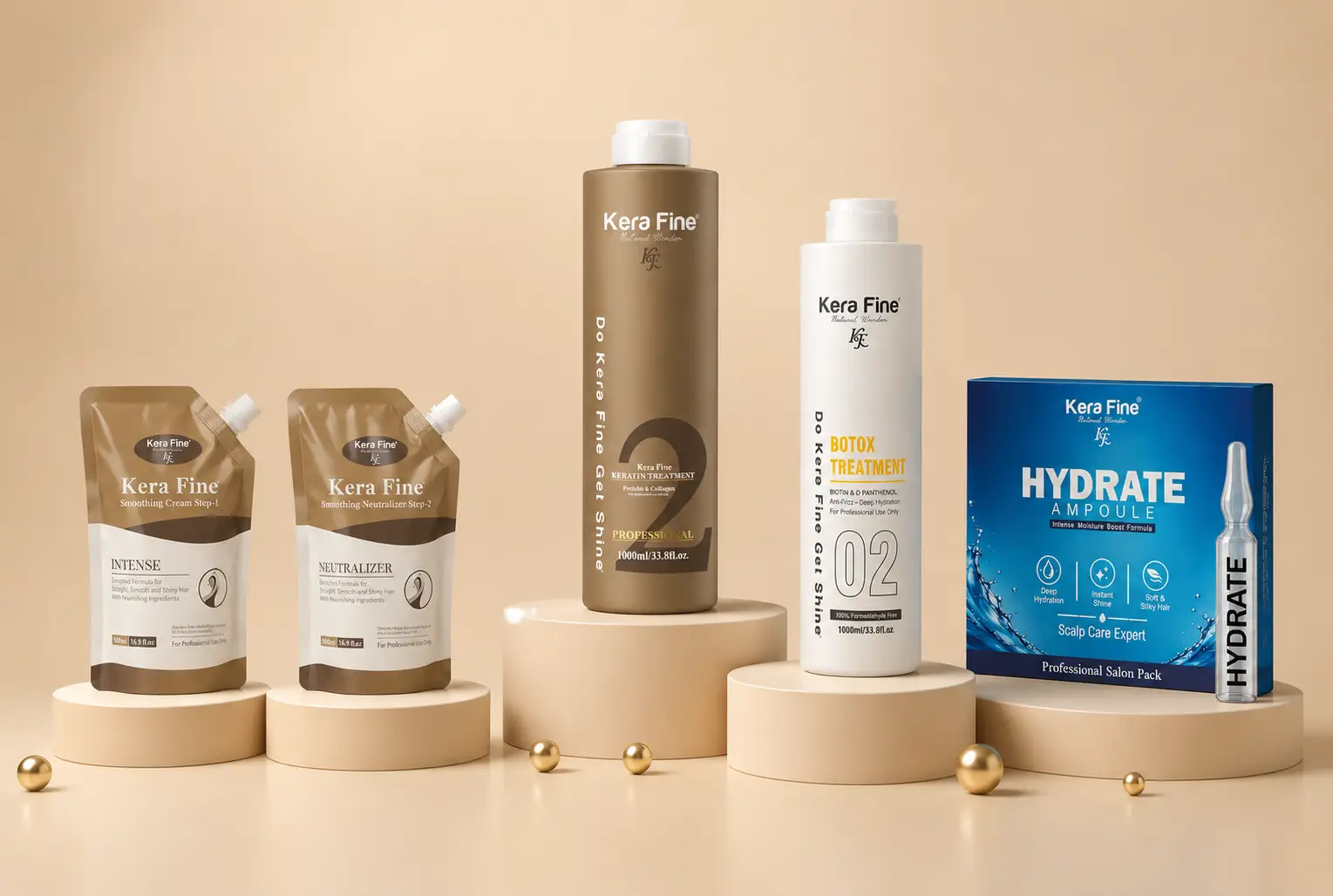
At Kera Fine, we believe professional hair care should be simple to understand and easy to use. Explore our carefully selected hair treatment collection and find the care that fits your hair’s needs.
Looking to make your hair shine? Try some of Kera Fine’s hair treatment products today, and start your hair care regimen with softer, smoother, more manageable-looking hair.